Getting a SIM Card and Phone Number in Korea
Prepaid, postpaid, budget carriers and eSIM: what each one needs, why a number in your own name matters, and a simple plan for your first week.
A Korean phone number is one of the first things you need. Schools, employers, banks and delivery drivers all use it. You can start with a prepaid SIM on day one and switch to a better plan later.
Your options
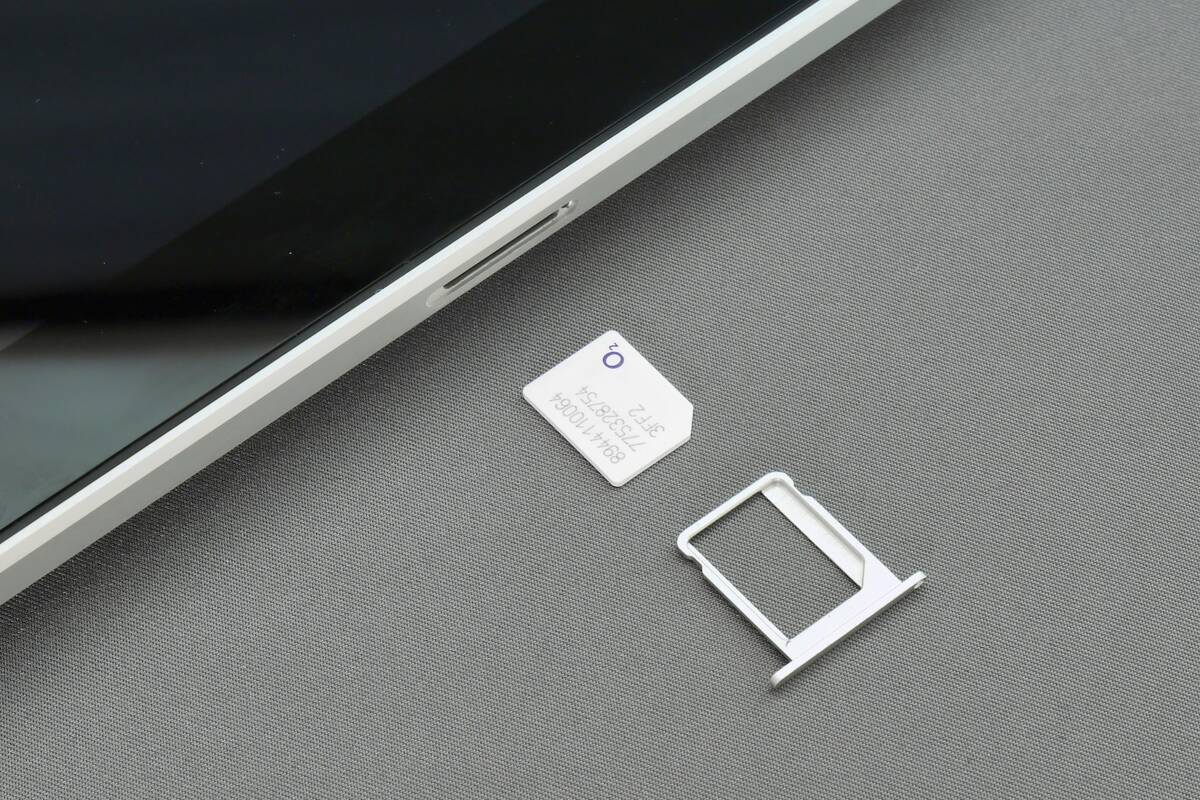
- Prepaid SIM: your passport is enough. You can buy one at airport counters, some convenience stores, or online with delivery or airport pickup.
- Postpaid plan: usually needs your ARC and a bank account or card for the monthly bill. Plans often come with a contract, and early cancellation fees may apply.
- Budget carriers (MVNO, 알뜰폰): they use the big networks but offer cheaper plans. Check which documents they accept from foreigners.
- eSIM: if your phone supports it, you can get a plan without a physical SIM card.
Why a number in your own name matters
Many Korean services check who you are by sending a code to a phone number in your name (본인인증, identity verification). Banks, delivery and shopping sites, and some government websites use it. A number in someone else’s name usually won’t work for this.
Your first week
- 1
Day 1: get connected
Buy a prepaid SIM or an eSIM at the airport, or pick up the SIM you ordered online. Write down your new number.
- 2
Share your number
Give your new number to your school or employer and to your housing contact.
- 3
Apply for your ARC
If you stay in Korea for more than 90 days, you must apply for alien registration within 90 days of entry. Book a visit on HiKorea.
- 4
Open a bank account
Open an account with your passport (or with your ARC once you have it). You will need it for a postpaid plan.
- 5
Choose a long-term plan
Compare postpaid and budget carrier plans. Check the contract length and fees before you sign.
Official sources
We link to the original source so you can check it yourself.