Halal Food Around Itaewon
Halal restaurants, butchers and grocery shops around Seoul Central Mosque, the difference between halal certification and Muslim-friendly categories, questions to ask in Korean, and hidden pork and alcohol in Korean food.
Seoul Central Mosque stands on a hill in Hannam-dong, Yongsan-gu, near Itaewon Station. It opened in 1976 and is the best-known mosque in Korea. On the street up to the mosque and in the lanes around it, you will find halal restaurants, butchers and grocery shops. You can walk from Itaewon Station (Line 6), but the road goes uphill.
- Turkish food: kebab, pide and grilled meat dishes
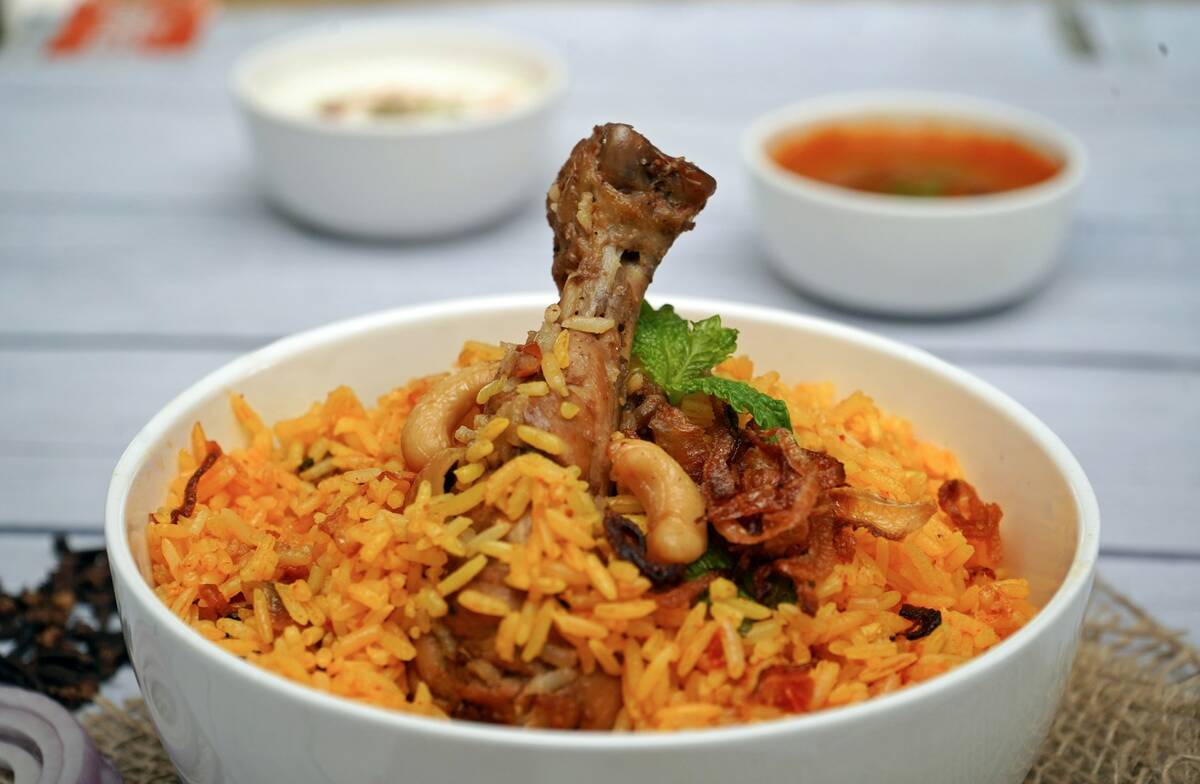
- Pakistani and Indian food: curry, biryani, tandoori and naan
- Middle Eastern food: hummus, falafel, and rice and meat dishes
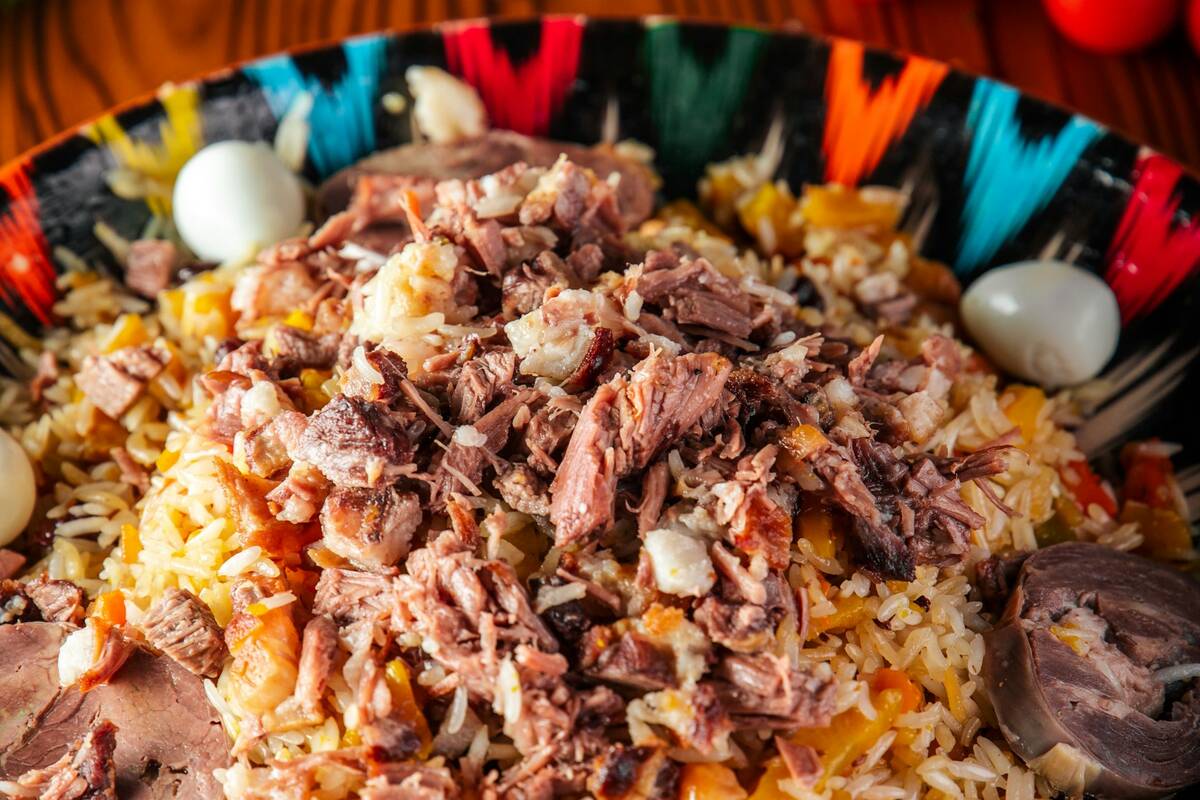
- Uzbek food: plov (osh), samsa and lagman
- Malaysian and Indonesian food: rice and skewer dishes such as nasi goreng and satay
- Halal butchers and grocery shops: halal meat, spices, rice and imported food
How to check if food is halal
The surest way is to look for a halal certification mark. In Korea, the Korea Muslim Federation (KMF) issues halal certification. The Korea Tourism Organization also sorts Muslim-friendly restaurants into four categories for Muslim visitors. Each category means something different, so see the table below.
Hidden pork and alcohol, and how to ask in Korean
- Broths: some soups and gukbap are made with pork bones or meat.
- Sauces and marinades: cooking wine such as mirim (matsul) is often added, for example to bulgogi marinade.
- Packaged food: check the ingredients for 돼지고기 (pork), 돈지/라드 (lard), 젤라틴 (gelatin) and 주정 (alcohol).
- Snack foods: mandu (dumplings), gimbap (with ham) and sundae (Korean blood sausage) may contain pork.
Prayer rooms and Fridays
Some tourist spots and the airport have prayer rooms. Check the location and opening hours in the official information before you go. When you visit the mosque, wear modest clothes and keep quiet during prayer times.
Official sources
We link to the original source so you can check it yourself.