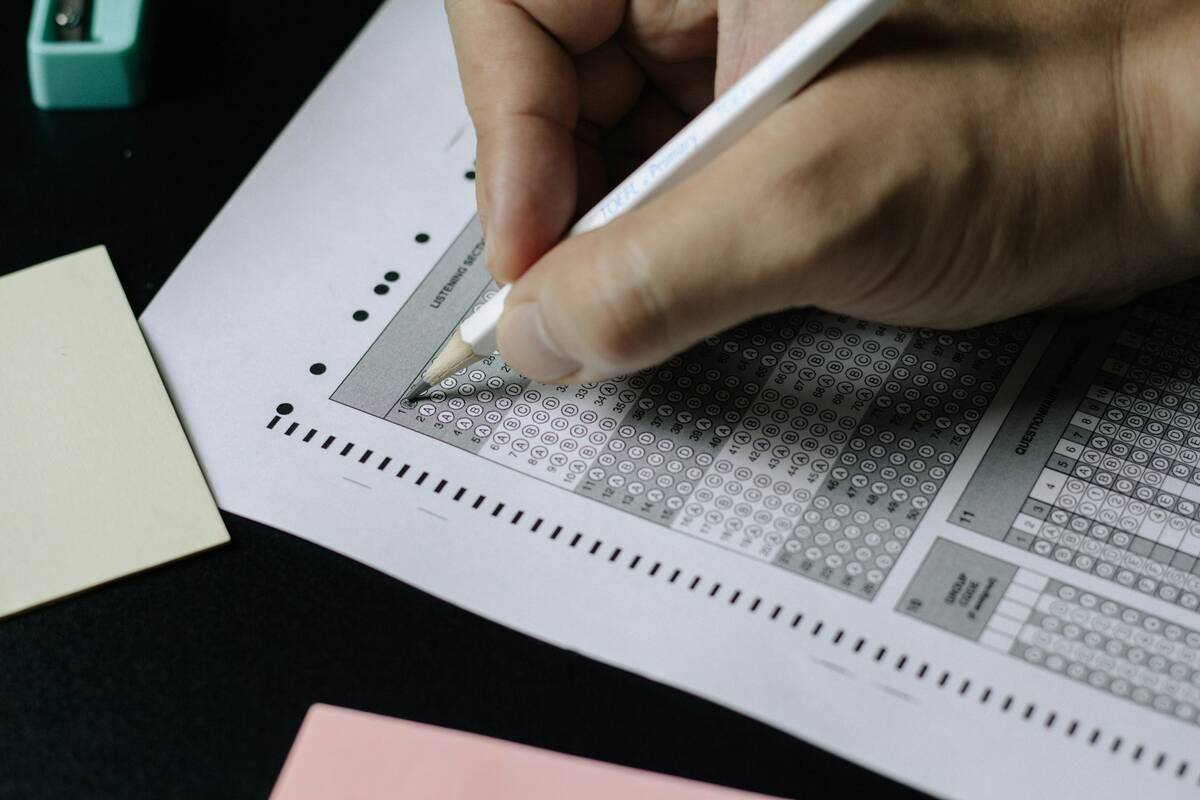
TOPIK Requirements for University Admission
TOPIK I and II, the score for each level, what universities usually ask for, how long results are valid, and why your TOPIK level matters even after admission.
TOPIK (Test of Proficiency in Korean) is the official Korean language test. Most Korean universities use TOPIK scores to check if international students can follow classes taught in Korean.
TOPIK I and TOPIK II
TOPIK I is for beginners (levels 1–2). It has listening and reading, with 200 points in total. TOPIK II is for intermediate and advanced learners (levels 3–6). It has listening, writing and reading, with 300 points in total. Your level is decided by your total score.
What universities ask for
- Many universities ask for TOPIK level 3 for admission to programs taught in Korean.
- Some universities ask for level 4 before graduation, or for certain majors.
- English-taught programs may accept an English test score instead of TOPIK.
- Some schools accept completion of a certain level at their own language institute instead of a TOPIK score.
- Requirements differ by school and major. Always check the admission guide for the year you apply.
Test dates
In Korea, TOPIK is held several times a year, as a paper-based test and an internet-based test (IBT). Abroad, it is held fewer times a year, and dates and test centers differ by country. Seats can fill up quickly. Check the schedule and registration dates on topik.go.kr.
Study tips
- 1
Start with a past paper
Past test questions are available on the TOPIK website. Do one with a timer to see your level.
- 2
Set a target
Choose the level your target school asks for and the test date you need.
- 3
Practice writing (TOPIK II)
The writing part is hard for many students. Practice short answers and longer texts, and ask a teacher to check them.
- 4
Listen and read every day
Use Korean news, lectures and textbooks at your level. Learn new words by topic.
- 5
Practice with real time limits
A few weeks before the test, take mock tests with the same time limits as the real test.
Official sources
We link to the original source so you can check it yourself.