Sending Money Home: Bank Wire vs Remittance Apps
Compare fees, exchange rates, speed and limits, learn how to work out the real cost, and stay away from illegal transfer brokers.
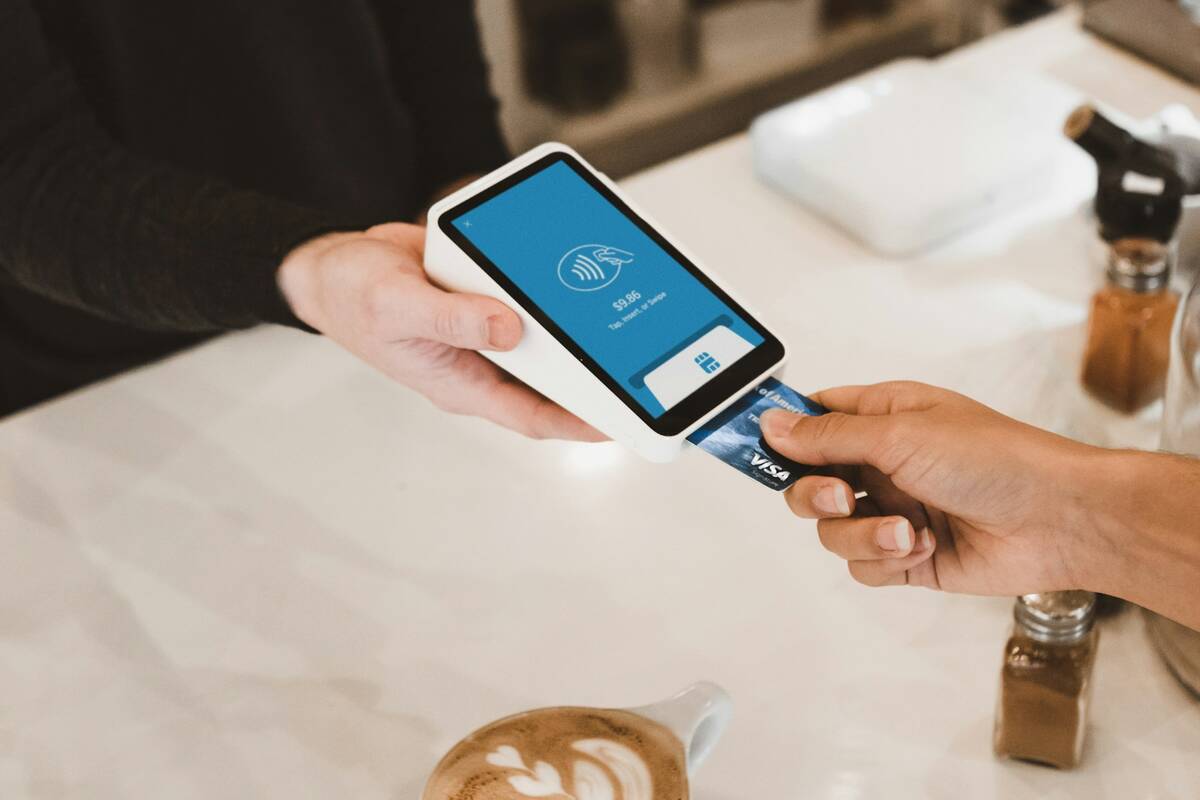
Most students and workers in Korea send money to their family at some point. There are two main legal ways: an overseas wire from a bank (SWIFT), or a licensed small-sum overseas remittance company (소액해외송금업체) that you use through an app. These companies are registered with the Korean government. The best choice depends on the amount, the country and how your family wants to receive the money.
Bank wire vs remittance app
| Item | Bank overseas wire (SWIFT) | Licensed remittance company (app) |
|---|---|---|
| Fees | Sending fee + cable fee. Intermediary or receiving banks may also take a fee. | Usually a lower fixed fee. Check the fee screen before you send. |
| Exchange-rate margin | The bank’s rate includes a margin. Some banks give a discount on it. | The company’s rate also includes a margin. It can be better or worse than a bank, so compare. |
| Speed | Often takes a few business days. | Often faster. Depends on the country and the payout method. |
| Limits | Larger amounts are possible, but you may need documents above certain amounts. | Per-transaction and yearly limits per person. Check the latest limits. |
| Receiving options | Bank account | Bank account, cash pickup or e-wallet (depends on the country) |
| Good for | Large amounts and official payments such as tuition | Regular small or medium transfers to family |
How to compare the real cost
Don’t look only at the fee. The exchange rate also hides a margin. Total cost = fee + exchange-rate difference. The easiest way to compare is to check the amount the receiver actually gets in their own currency.
- Enter the same amount in won in each service.
- Compare the final amount the receiver gets after all fees.
- Check fees on the receiving side too. Some banks abroad charge a fee to receive money.
- Also check how long it takes and how the money is paid out.
Steps for your first transfer
- 1
Get the receiver’s details
You need their full name exactly as on their ID or bank account, the account number, the bank name and, for a bank wire, the SWIFT code. For cash pickup or an e-wallet, prepare those details instead.
- 2
Compare two or three options
Use the same amount and compare what the receiver will get.
- 3
Sign up and verify your identity
Banks and apps both check your ID. You usually need your ARC, a phone number in your name and a Korean bank account.
- 4
Send a small amount first
Check that it arrives correctly before you send a larger amount.
- 5
Save the receipt
Download or keep the receipt and the transfer reference number.
Keep your receipts
Keep a record of every transfer. It helps if something goes wrong. For workers, transfer records can also help show that you support family members abroad, for example when you claim them as dependents in year-end tax settlement. Check the latest NTS guidance or ask a tax accountant about which documents you need.
Official sources
Written by KOVIA 편집팀