Vegetarian and Vegan Guide to Eating in Korea
Hidden animal ingredients like broth, salted seafood and dumpling fillings, Korean phrases for ordering, easier dishes to choose, temple food, and how to read convenience store labels.
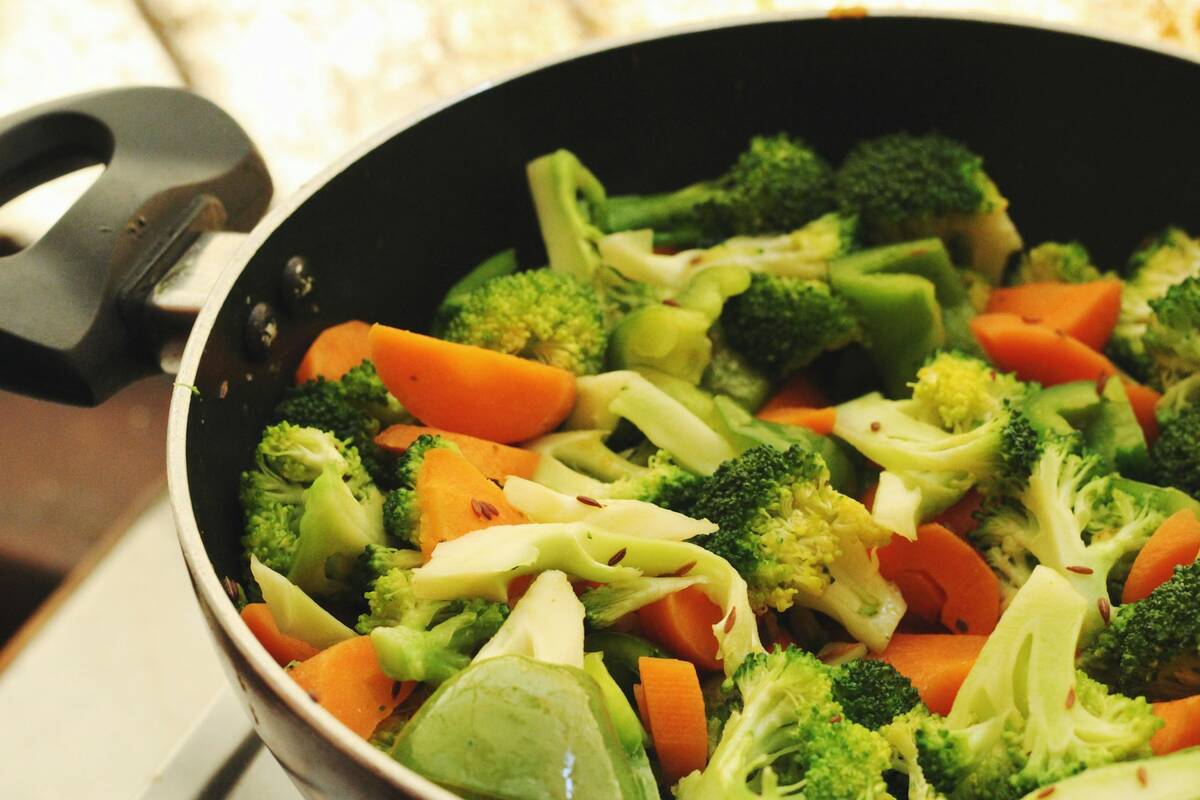
Korean food has lots of vegetables, but broths and seasonings often contain animal ingredients. A dish can look like vegetables only and still have anchovy broth or salted seafood in it. The most important habit is to ask once before you order.
Hidden animal ingredients
- Broth: soups, stews and noodles often use anchovy broth or beef broth.
- Kimchi: usually contains salted seafood (jeotgal) or fish sauce.
- Mandu (dumplings): even kimchi or vegetable dumplings often contain meat.
- Bibimbap: often topped with egg and minced beef.
- Gimbap: ham, fish cake, imitation crab and egg are often standard fillings.
- Ramyeon: many instant noodle soup powders contain beef or seafood ingredients.
Korean phrases for ordering
| Korean | Pronunciation | Meaning |
|---|---|---|
| 고기 빼 주세요. | gogi ppae juseyo. | Please leave out the meat. |
| 멸치 육수 들어가요? | myeolchi yuksu deureogayo? | Is there anchovy broth in it? |
| 저는 채식주의자예요. | jeoneun chaesikjuuijaeyo. | I am vegetarian. |
| 계란 빼 주세요. | gyeran ppae juseyo. | Please leave out the egg. |
| 젓갈 들어가요? | jeotgal deureogayo? | Is there salted seafood in it? |
Dishes that are easier to order
| Dish | Usually contains | Ask for |
|---|---|---|
| Bibimbap | Egg, minced beef, gochujang | Ask them to leave out the meat and egg. |
| Vegetable gimbap | Ham, fish cake, imitation crab, egg | Ask them to leave out the ham, fish cake and imitation crab (and the egg if needed). |
| Japchae | Glass noodles and vegetables, often with beef | Check if meat is added. |
| Tofu dishes | Soft tofu stew often has seafood or meat and anchovy broth | Ask what the broth is made with. |
| Doenjang jjigae | Anchovy broth, seafood or meat | Ask if they can make it with vegetable broth. |
| Kimchi and side dishes | Salted seafood, fish sauce | Ask if there is jeotgal in it. |
Temple food
Temple food (sachal eumsik) is food handed down in Buddhist temples. It uses no meat or fish, and none of the five pungent vegetables such as garlic, green onion and chives. The flavor comes from vegetables, wild greens, mushrooms, tofu and grains. It is often close to vegan, but if you are strictly vegan, ask about dairy or eggs. You can also try temple food in templestay programs.
Convenience store and grocery tips
- Read the ingredient list (원재료명) on the back of packaged food.
- The allergy information lists items like 우유 (milk), 알류 (eggs), 쇠고기 (beef), 돼지고기 (pork), 닭고기 (chicken) and 새우 (shrimp), so it is easy to check.
- A note saying the product was made in the same facility as other products means the facility is shared. Keep this in mind if you are strict.
- Triangle gimbap and lunch boxes often contain tuna, ham or meat seasoning. Always check the label.
- At traditional markets, you can buy tofu, vegetables, mushrooms and wild greens to cook at home. It is easy and saves money.
Official sources
Written by KOVIA 편집팀