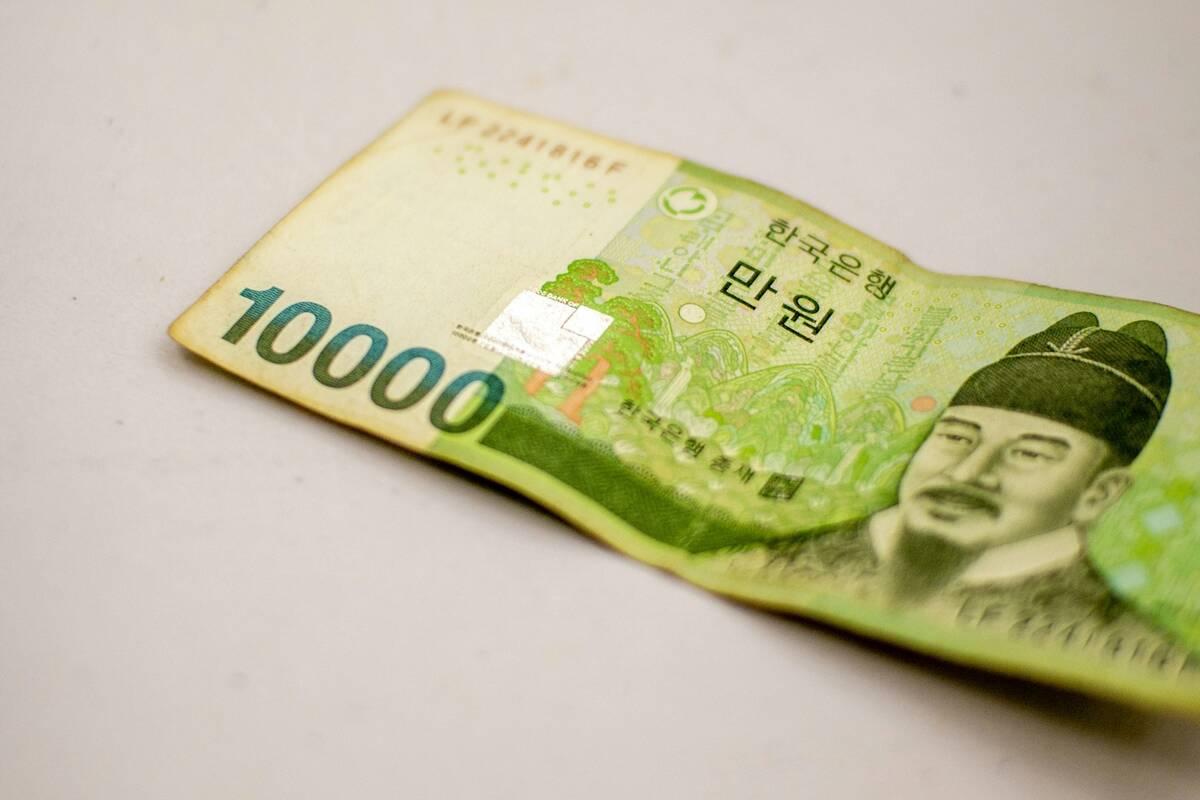
Year-end tax settlement in Korea: a guide for foreign workers
What year-end settlement is, what to prepare, common deductions and the flat 19% tax option — in plain words.
Year-end settlement (연말정산) is when your employer recalculates last year’s income tax. Every month, your employer withholds an estimated amount of tax from your salary. Early in the next year, the employer calculates your real tax with your deductions, usually with your salary around February–March. If too much was withheld, you get a refund. If too little, you pay the difference.
What you prepare
- The deduction form from your employer (근로소득자 소득·세액 공제신고서). Your employer usually tells you the deadline.
- Hometax simplified data (연말정산 간소화): foreigners with an ARC number can log in to Hometax and download records such as insurance premiums, medical costs, education costs and card spending.
- Receipts that are not in the simplified data, for example some donation receipts or monthly rent records (rental contract and transfer records).
- Documents for dependents: for family abroad, you generally need documents proving the relationship and, in some cases, proof that you support them (for example, remittance records). A Korean translation may be needed.
Common deductions and credits
| Item | What counts | Note |
|---|---|---|
| National Pension and health insurance premiums | The premiums paid from your salary | Usually reflected from your payroll records |
| Credit and debit card spending | Card and cash receipt spending in Korea | Only spending above a certain share of your salary counts; conditions apply |
| Medical expenses | Hospital and pharmacy costs for you and eligible family | Only costs above a certain amount count; conditions apply |
| Education | Tuition for you or eligible family | Conditions apply |
| Donations | Donations to qualified organisations | Receipts needed; conditions apply |
| Monthly rent credit | Rent paid for your home | Conditions apply (income, housing and other requirements) |
The flat 19% tax rate option
Depending on conditions, a foreign worker may choose a flat income tax rate of 19% instead of the normal rates, for a limited period after first starting work in Korea. If you choose it, deductions and tax credits are not applied. Because of this, it usually helps only people with higher incomes. Compare your tax both ways before you choose. The application is made through your employer during year-end settlement.
Step by step
- 1
Check your employer’s notice
Around the start of the year, your employer tells you which documents to submit and the deadline.
- 2
Download Hometax data
Log in to Hometax with your ARC number and download your simplified data (연말정산 간소화).
- 3
Collect other documents
Add receipts that are missing from Hometax and documents for your dependents, with translations if needed.
- 4
Submit to your employer
Fill in the deduction form and hand in everything by the deadline. If you want the flat 19% rate, tell your employer and submit the application.
- 5
Check the result
Look at your payslip around February–March and ask for your withholding receipt. If something was missed, you can still claim it later (May filing or a correction request).
Before you act
Official sources
Written by KOVIA 편집팀